There are more than 20,000 species of bees on earth. Most are solitary, but hundreds have developed a social life with organizations specific to each species.
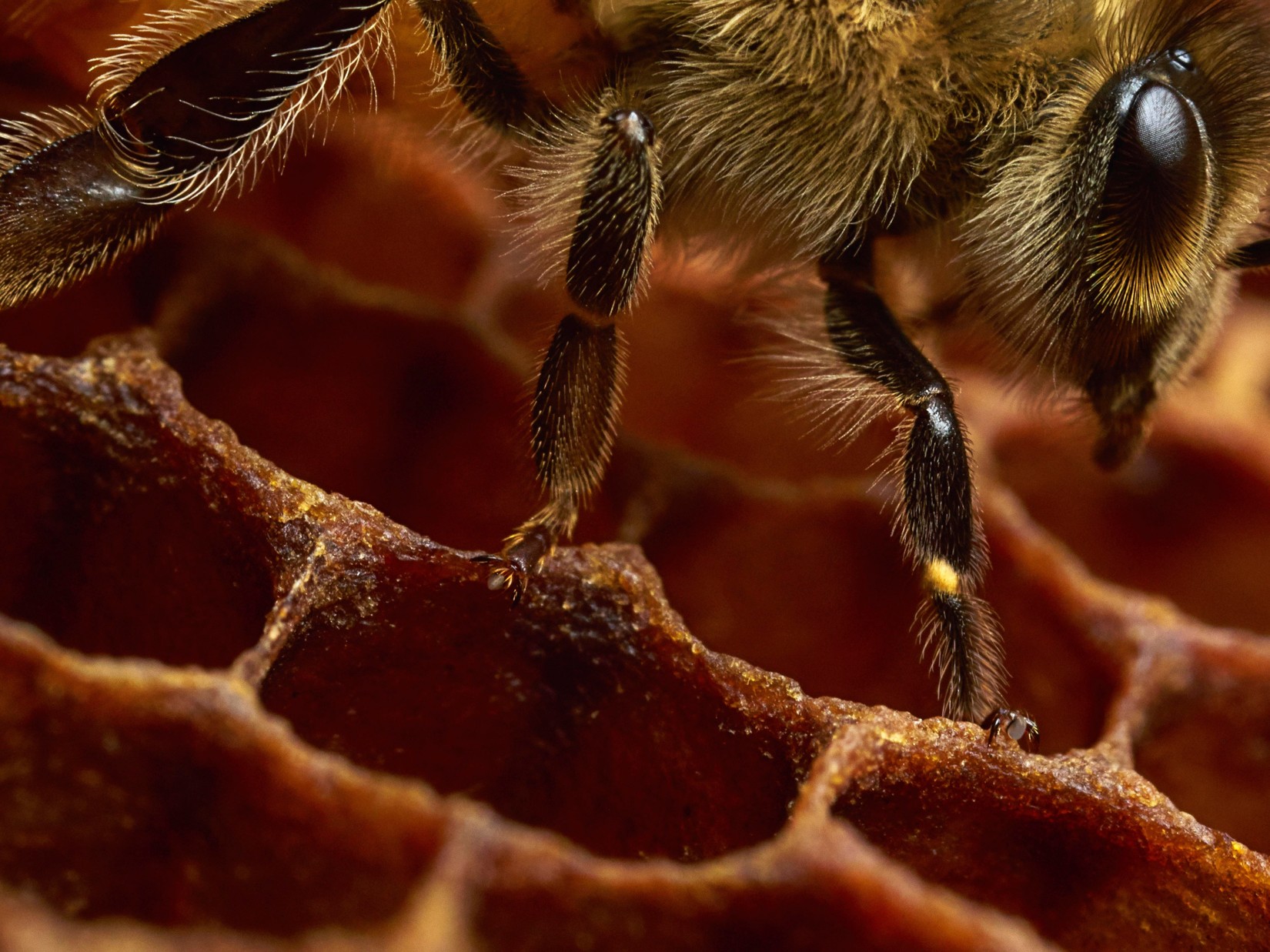
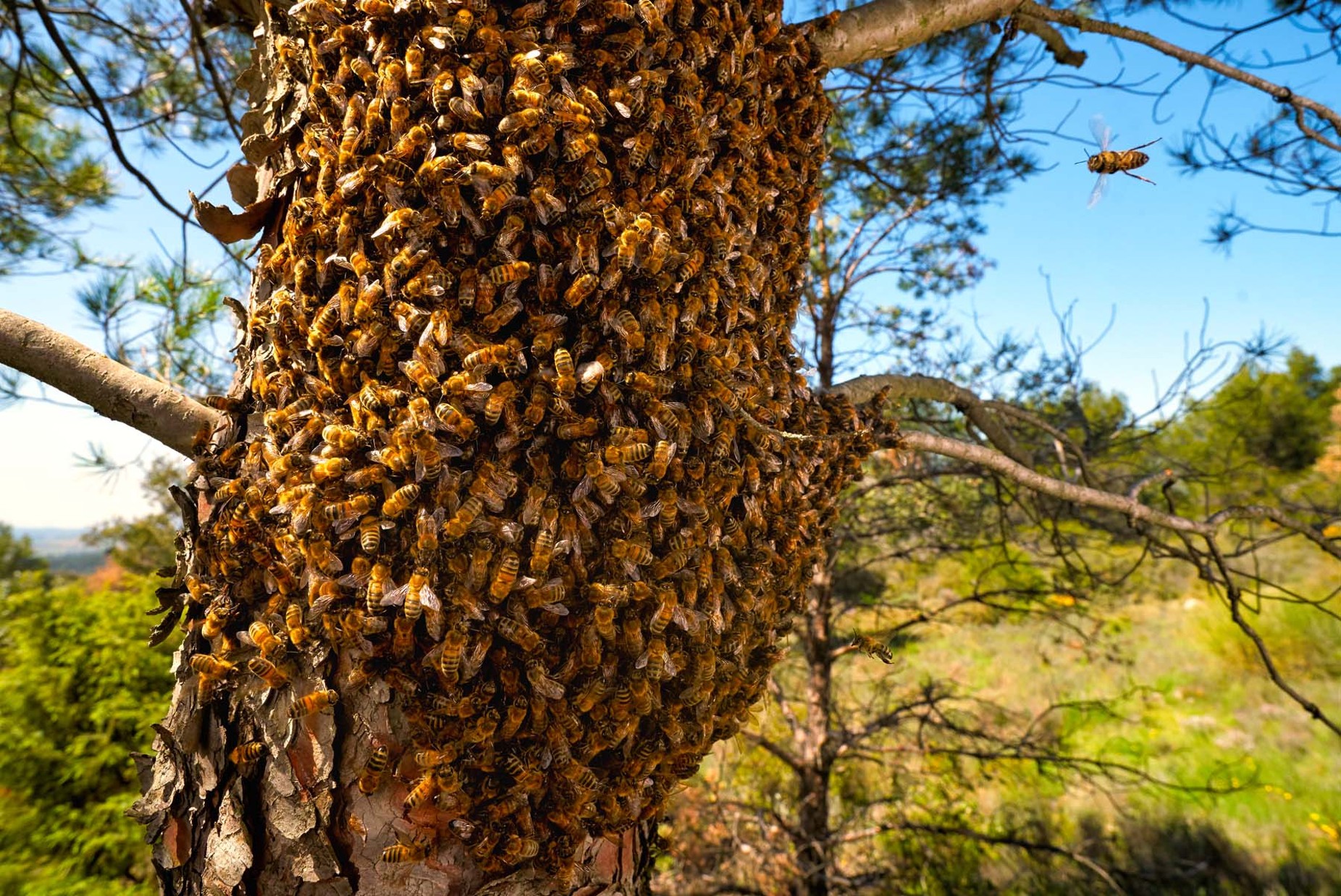
Our common bee, the Apis mellifera, also known as the “honeybee,” is the species that has been most studied and its remarkable biology has allowed it to adapt and colonize very varied biotopes. Today, after its establishment by man in the Americas and Australia, it is the most numerous species of bee in the world which brings each year by pollination its contribution to the world economy and to the food diversity. Honeybees (Apis Mellifera) are about one centimeter long. Their organization is remarkable, allowing them to survive winter by generating heat from honey. A colony functions as a superorganism, capable of tracking resources across more than 75 km2 in real time and collecting them according to its needs.
Bees are efficient and highly social.. They mark flowers with scent signals and communicate discoveries through vibrations, dances, and a sophisticated language of odors. They produce their own building material, the wax, colonize new habitats each year, use solar energy, collect water, and do not generate any waste. Some are idle, others extremely active. The queen bee is a perfect example of epigenetics: environmental factors influence gene expression. She is a simple egg, fed differently, on royal jelly alone. The queen bee exists solely to reproduce and ensure the genetic diversity of the colony. She lives 3 to 5 years. She mates in flight with 15 to 25 males, which are raised in spring. Males are expelled by their sisters-bees in summer. Scientists consider bees to posses intelligence comparable to that of higher mammals. experiments show that they can count up to five and understand the concept of zero. Through pollination, they contribute to the co-creation of nature, supporting the reproduction of around 170,000 flowering plants.